

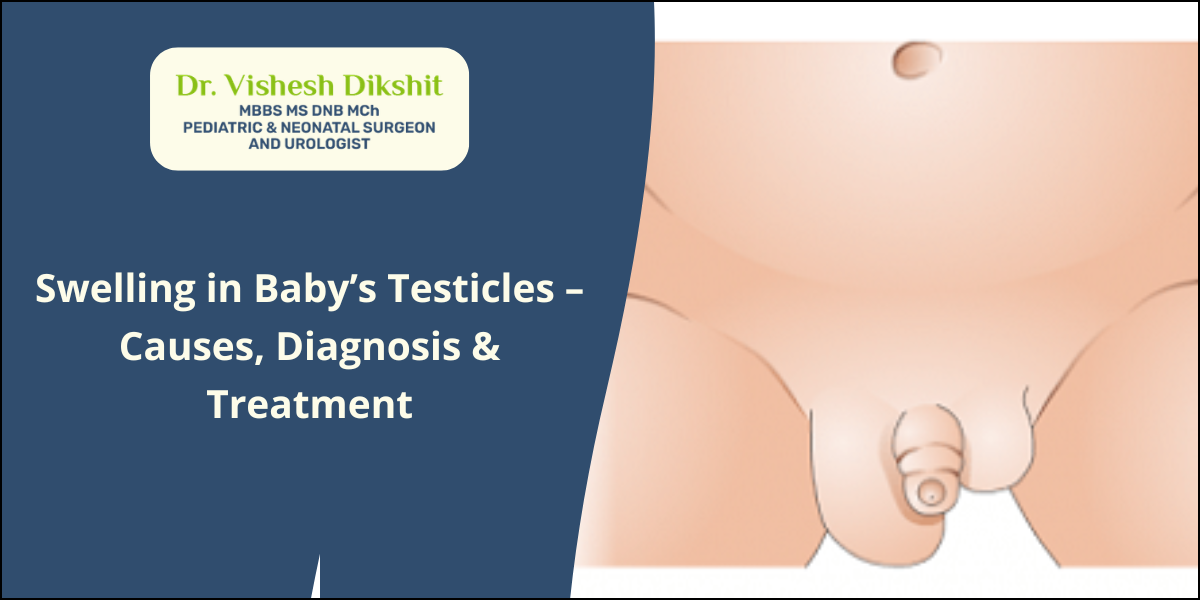
Noticing swelling in your baby’s testicles can be alarming for any parent. While it may look concerning, the good news is that many cases are harmless and treatable. Understanding the possible causes, recognizing warning signs, and knowing when to seek medical care can help you act confidently and ensure your baby’s health and comfort.
This guide explains the common reasons behind testicular swelling in babies, how doctors diagnose the condition, and the treatment options available.
What Does Testicular Swelling in Babies Mean?
Testicular swelling refers to an enlargement of one or both sides of the scrotum—the soft sac that holds the testicles. The swelling may appear suddenly or gradually and can vary in size. In some cases, it is painless and disappears on its own, while in others, it may require medical attention.
Parents often notice the issue during diaper changes or bath time. Even if your baby seems comfortable, it is always wise to have any unusual swelling evaluated by a pediatric specialist.
Common Causes of Testicular Swelling in Babies
Several conditions can lead to swelling in a baby’s testicles. Some are temporary, while others may need treatment.
1. Hydrocele
A hydrocele is one of the most common causes of scrotal swelling in infants. It occurs when fluid collects around the testicle, making the scrotum look enlarged or slightly shiny.
Key signs include:
-
Painless swelling
-
Size may change during the day
-
Soft and smooth appearance
Most hydroceles resolve naturally within the first year of life. However, if the swelling persists, a doctor may recommend minor surgery.
2. Inguinal Hernia
An inguinal hernia happens when a portion of the intestine pushes through a weak spot in the abdominal wall and enters the scrotum. Unlike hydrocele, this condition usually requires surgical treatment.
Watch for these symptoms:
-
Bulge in the groin or scrotum
-
Swelling that becomes more noticeable when the baby cries
-
Irritability or discomfort
Prompt medical care is essential because an untreated hernia can lead to complications.
3. Testicular Torsion
Although rare in newborns, testicular torsion is a medical emergency. It occurs when the spermatic cord twists, cutting off blood supply to the testicle.
Warning signs include:
-
Sudden swelling
-
Firm or hard scrotum
-
Redness or discoloration
-
Excessive crying due to pain
Immediate treatment is necessary to prevent permanent damage.
4. Infection or Inflammation
Infections can cause swelling, redness, and tenderness in the scrotal area. Conditions like epididymitis (inflammation of the tube behind the testicle) are uncommon in babies but still possible.
Babies with infections may also develop:
-
Fever
-
Fussiness
-
Warmth in the affected area
Doctors usually treat infections with medication once diagnosed.
5. Birth-Related Fluid Retention
Sometimes, babies are born with temporary fluid accumulation due to pressure during delivery. This type of swelling often improves within a few weeks without intervention.
How Is Testicular Swelling Diagnosed?
Early evaluation helps rule out serious conditions and provides peace of mind for parents. Pediatricians typically follow a structured approach:
Physical Examination
The doctor gently examines the scrotum to check for tenderness, firmness, and changes in size.
Transillumination Test
A small light is placed behind the scrotum. If the swelling glows, it usually indicates fluid (hydrocele). If not, further testing may be required.
Ultrasound Imaging
Ultrasound is painless and highly effective for identifying hernias, torsion, or other abnormalities. It provides clear images of blood flow and tissue structure.
Medical History
Your doctor may ask when you first noticed the swelling, whether it changes in size, and if your baby shows signs of discomfort.
Treatment Options for Testicular Swelling
Treatment depends entirely on the underlying cause.
Observation
For harmless conditions like simple hydroceles, doctors often recommend a “wait and watch” approach. Regular check-ups ensure the swelling is reducing as expected.
Medication
If an infection is responsible, antibiotics or anti-inflammatory medications can resolve the issue quickly.
Surgical Treatment
Some conditions require minor surgery:
-
Persistent hydrocele: If it does not disappear after 12–18 months
-
Inguinal hernia: Usually repaired soon after diagnosis
-
Testicular torsion: Emergency surgery to restore blood flow
Modern pediatric surgical techniques are safe, and recovery is typically fast.
When Should Parents See a Doctor?
While mild swelling may not be urgent, certain symptoms require immediate attention:
-
Sudden or severe swelling
-
Redness or color changes
-
Signs of pain
-
Fever
-
Vomiting
-
Swelling that keeps increasing
Trust your instincts—if something does not look right, consult a pediatrician promptly.
Can Testicular Swelling Be Prevented?
Not all causes are preventable, especially those related to birth or natural development. However, early detection makes a significant difference.
Helpful tips for parents:
-
Check your baby during diaper changes
-
Maintain proper hygiene
-
Attend regular pediatric visits
-
Seek medical advice for any unusual changes
Being observant is the best way to protect your baby’s health.
Supporting Your Baby Through Treatment
If your baby needs medical care or surgery, remember that these conditions are common and highly manageable. Follow your doctor’s instructions carefully, attend follow-up appointments, and provide plenty of comfort.
Babies recover quickly, and with timely treatment, long-term complications are rare.
If you notice swelling in your baby’s testicles, remember that early evaluation can make all the difference. While many causes are harmless, timely diagnosis ensures your child receives the right care without unnecessary complications. Never ignore unusual changes—consulting an experienced pediatric specialist can provide reassurance and the best treatment plan for your baby’s health.
For expert guidance and compassionate pediatric care, Dr. Vishesh Dikshit – pediatric specialist in Pune is dedicated to supporting your child’s well-being at every stage. Book a consultation today to ensure your baby receives safe, accurate, and timely medical attention.