

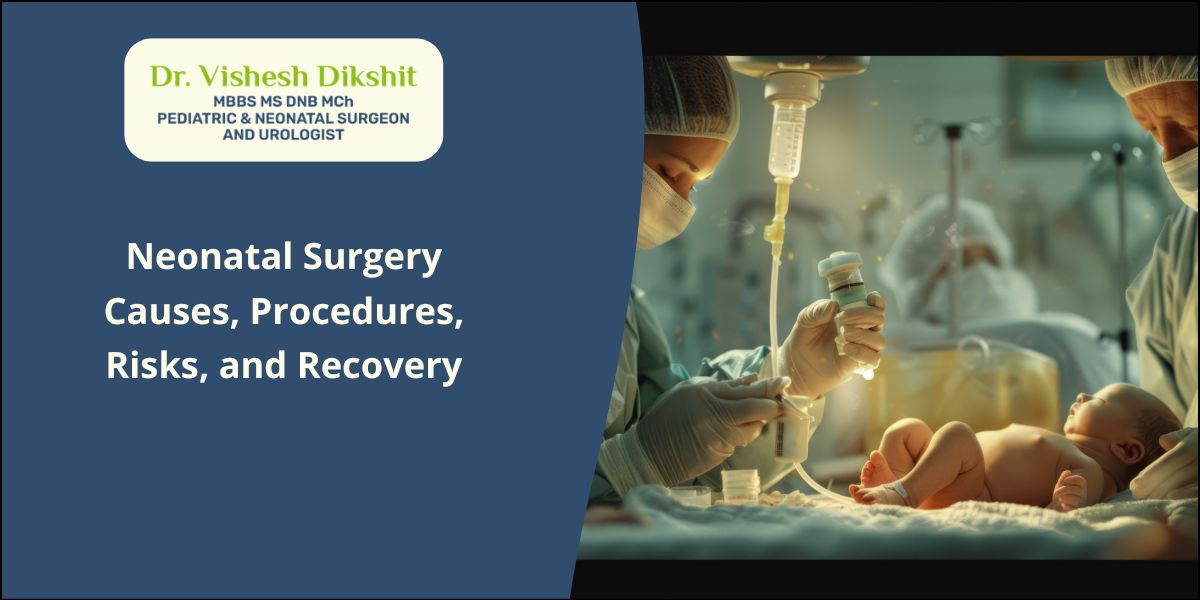
The arrival of a newborn is a moment of joy, but for some families it also brings the worry of a medical condition that needs early surgical care. Neonatal surgery refers to operations performed on babies within the first 28 days of life, a period when the body is still adapting to life outside the womb. Because newborns are so delicate, these procedures demand a highly specialised pediatric and neonatal surgical team. In this guide, we explain the common causes behind neonatal surgery, the procedures involved, the risks parents should understand, and what recovery typically looks like.
What Is Neonatal Surgery?
Neonatal surgery is a branch of pediatric surgery focused on treating birth defects (congenital anomalies) and other urgent conditions in newborns. Many of these problems are detected before birth through prenatal ultrasound, allowing the medical team to plan care in advance. Others are diagnosed soon after delivery when symptoms such as difficulty breathing, feeding trouble, vomiting, or an abnormal abdominal appearance become clear. Early, expert intervention often makes a life-saving difference and gives the child the best chance of healthy development. You can learn more about our dedicated neonatal surgery services in Pune.
Common Causes That Require Neonatal Surgery
Most neonatal surgeries are needed because of congenital conditions the baby is born with. Some of the most common causes include:
- Congenital diaphragmatic hernia (CDH): A hole in the diaphragm that allows abdominal organs to move into the chest, affecting lung development and breathing.
- Esophageal atresia and tracheoesophageal fistula: The food pipe does not connect properly to the stomach, or connects abnormally to the windpipe, making feeding impossible without correction.
- Intestinal obstruction and atresia: Blockages or gaps in the intestines that stop the normal passage of milk and stool.
- Anorectal malformations: Abnormal development of the anus and rectum, sometimes with no visible opening.
- Abdominal wall defects (gastroschisis and omphalocele): The intestines or other organs develop outside the body and must be returned surgically.
- Hirschsprung’s disease: Missing nerve cells in the bowel that cause severe constipation and obstruction.
- Necrotizing enterocolitis (NEC): A serious intestinal condition, more common in premature babies, in which bowel tissue becomes inflamed and damaged.
Prematurity and low birth weight can increase the likelihood of several of these conditions, which is why premature infants are monitored especially closely. Many of these problems fall under specialised pediatric gastrointestinal surgery and thoracic surgery care.
Neonatal Surgical Procedures
The exact procedure depends on the condition being treated, but neonatal surgery has advanced significantly in recent years. Whenever possible, surgeons use minimally invasive (laparoscopic or thoracoscopic) techniques, which involve tiny incisions, specialised instruments, and a camera. These approaches usually mean less pain, smaller scars, and faster healing compared with traditional open surgery. To understand how these keyhole techniques work, see our page on pediatric laparoscopic surgery in Pune.
Common neonatal procedures include repair of the diaphragm in CDH, reconnection of the food pipe in esophageal atresia, removal or bypass of intestinal blockages, creation of a normal anal opening in anorectal malformations, and gradual return of organs to the abdomen in wall defects. Every operation is carried out under carefully controlled anaesthesia by a team that includes the neonatal surgeon, a pediatric anaesthetist, and neonatal intensive care specialists. Babies are supported in a Neonatal Intensive Care Unit (NICU) before and after surgery to keep their temperature, breathing, and nutrition stable.
Risks of Neonatal Surgery
Any surgery carries some risk, and newborns are particularly vulnerable because of their small size and developing organs. Possible risks include reaction to anaesthesia, bleeding, infection, breathing difficulties, and challenges maintaining body temperature and fluid balance. Premature babies may face a higher chance of complications.
However, it is important to remember that these risks are carefully managed by an experienced team in a well-equipped NICU. In most cases, the danger of leaving a serious condition untreated is far greater than the risk of surgery itself. A skilled neonatal surgeon will explain the specific risks for your baby and the steps taken to minimise them, so you can make an informed decision with confidence.
Recovery After Neonatal Surgery
Recovery varies widely depending on the condition, the type of surgery, and whether the baby was born early. After the operation, most newborns spend time in the NICU where their vital signs, feeding, and wound healing are monitored around the clock. Pain is managed gently and appropriately for a newborn, and feeding is reintroduced slowly, sometimes starting with fluids through a drip before moving to milk.
Parents play a central role in recovery. Skin-to-skin contact, involvement in feeding when allowed, and simply being present all support the baby’s healing and bonding. Once the baby is stable, feeding well, and gaining weight, they can go home with a clear follow-up plan. Regular check-ups are essential to track growth and development and to catch any late issues early. Many children who undergo neonatal surgery go on to live completely healthy, normal lives.
When to Consult a Neonatal Surgeon
If a prenatal scan detects an anomaly, or if your newborn shows signs such as breathing difficulty, persistent vomiting (especially green vomit), a swollen abdomen, feeding problems, or the absence of a normal anal opening, seek specialist care promptly. Early consultation with an experienced pediatric surgeon in Pune allows for accurate diagnosis and timely treatment, which greatly improves outcomes.
Frequently Asked Questions (FAQ)
1. What is the difference between pediatric surgery and neonatal surgery?
Pediatric surgery covers children of all ages, while neonatal surgery specifically treats newborns in their first 28 days of life. Neonatal surgery requires extra expertise because a newborn’s organs and body systems are still adapting after birth.
2. Is neonatal surgery safe for a newborn baby?
Yes. While all surgery carries some risk, modern neonatal surgery performed by a specialised team in a well-equipped NICU is generally safe. The benefits of treating a serious condition almost always outweigh the risks of leaving it untreated.
3. How long does a baby stay in hospital after neonatal surgery?
The hospital stay depends on the condition and the baby’s overall health. Some babies recover in a few days, while those with complex conditions or prematurity may need several weeks of NICU care before going home.
4. Can conditions requiring neonatal surgery be detected before birth?
Many can. Prenatal ultrasound scans often reveal conditions such as diaphragmatic hernia, abdominal wall defects, and intestinal problems, allowing the surgical team to plan care in advance and support the family.
5. Will my child develop normally after neonatal surgery?
In most cases, yes. With early treatment and proper follow-up, the majority of children who have neonatal surgery grow and develop normally and lead healthy lives.
Consult an Expert Pediatric & Neonatal Surgeon
If your baby has been diagnosed with a condition that may need surgery, you don’t have to face it alone. Dr. Vishesh Dikshit is an experienced pediatric and neonatal surgeon who provides compassionate, expert care for newborns and children. From accurate diagnosis to advanced minimally invasive surgery and dedicated after-care, your child receives complete support at every step.
Book a consultation today to discuss your baby’s condition and give your child the best possible start.